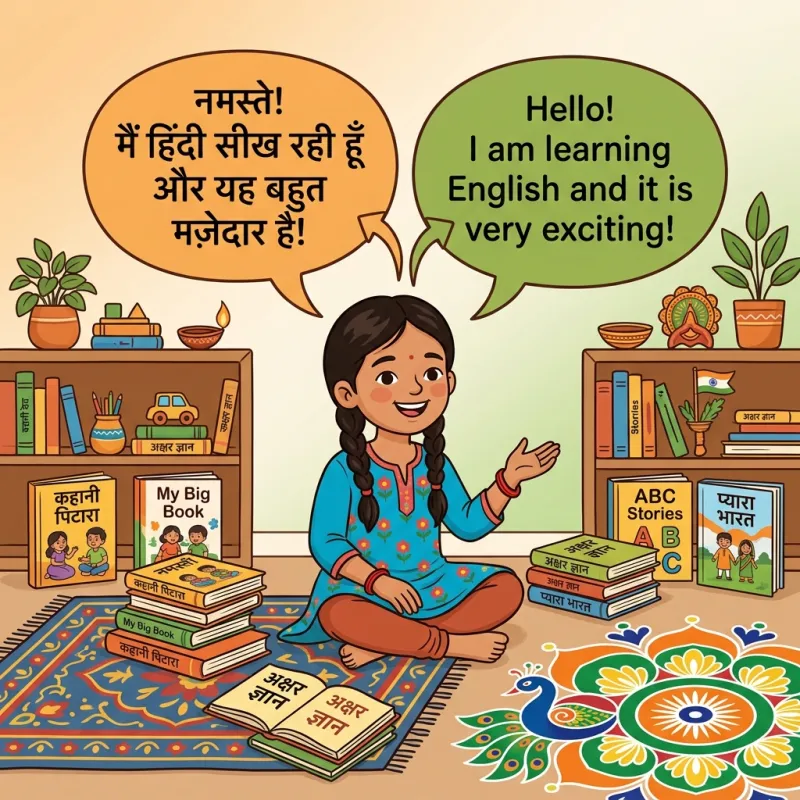
Introducing the Hindi Varnmala to toddlers is one of the most rewarding educational journeys a parent or caregiver can embark upon. The Hindi alphabet, consisting of vowels (swar) and consonants (vyanjan), forms the foundation of one of the most widely spoken languages in the world. Starting early gives children a tremendous advantage, not just in language acquisition, but in cognitive development, cultural connection, and communication skills that will serve them throughout their lives.
Why Start Early with Hindi Varnmala?
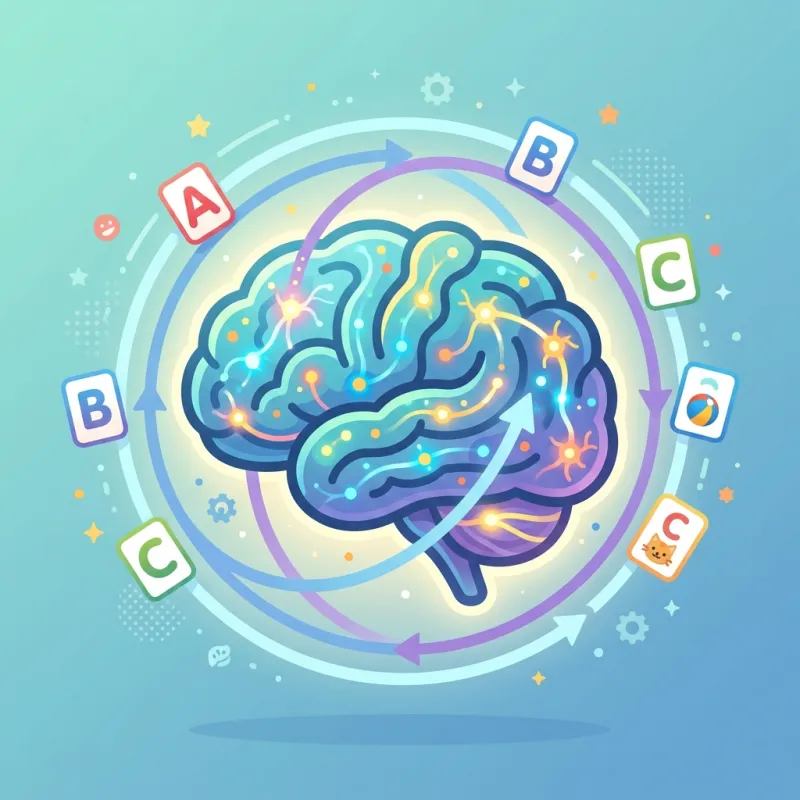
Research in developmental linguistics consistently shows that the window for language acquisition is widest between the ages of two and six. During this critical period, children's brains are remarkably plastic — they can absorb phonetic patterns, tonal variations, and grammatical structures with ease that diminishes significantly after age seven. For families who speak Hindi at home or wish to maintain a connection to their cultural roots, introducing the Varnmala during toddlerhood is an investment with lifelong returns.
The Hindi Varnmala is particularly well-suited for early introduction because of its logical, phonetic structure. Unlike English, where letter sounds can be inconsistent and confusing, Hindi letters almost always correspond to a single, consistent sound. This predictability makes it easier for toddlers to grasp the relationship between written symbols and spoken language, building confidence as they learn.
Multisensory Approaches That Work
Toddlers learn best when multiple senses are engaged simultaneously. Rather than relying solely on visual flashcards or verbal repetition, consider incorporating touch, movement, and creative play into your Varnmala teaching routine.
- Tactile letter tracing: Use sand trays, finger paint, or textured letter cutouts to let children physically trace each Hindi character. The act of forming the letter with their fingers creates a motor memory that reinforces visual recognition.
- Musical mnemonics: Simple songs that incorporate Varnmala letters set to familiar tunes can make memorization feel effortless. Children naturally gravitate toward rhythmic patterns, and pairing letters with melodies creates strong associative memories.
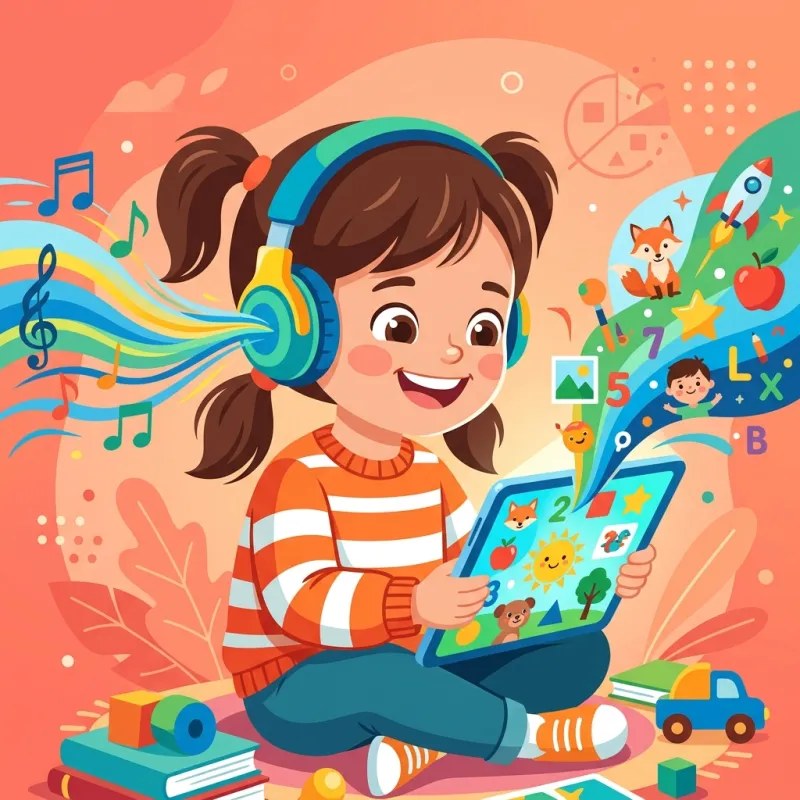
- Interactive apps: Well-designed educational apps like Sikho Kids combine visual flashcards with clear audio pronunciation, allowing children to hear the correct sound of each letter while seeing its written form and an associated image. The Auto Swipe feature enables hands-free learning, making it perfect for toddlers who may not yet have the fine motor skills for precise screen interaction.
- Art projects: Have children decorate large cutouts of Hindi letters with stickers, glitter, or torn paper. This creative engagement deepens their connection to each character and makes learning feel like play rather than study.
Creating a Daily Varnmala Routine
Consistency is far more important than duration when teaching toddlers. A focused five-to-ten minute daily session is more effective than an occasional hour-long practice. Here is a sample routine that many parents find successful:
- Morning greeting (2 minutes): Start the day by reviewing the letter of the week. Point to it on a chart, say its sound together, and name an object that begins with that letter.
- App time (5 minutes): Use Sikho Kids' Hindi Varnmala module to let your child explore the letter independently. The app's Repeat Mode is especially useful here, allowing the child to hear the pronunciation multiple times until they feel confident.
- Creative activity (5 minutes): Engage in a related craft or writing activity. For younger toddlers, this might mean finger painting the letter. For older toddlers, it could involve tracing the letter with a crayon on large paper.
- Bedtime review (2 minutes): Before sleep, briefly revisit the letter. Ask your child if they remember its sound and praise their effort regardless of accuracy.
Common Mistakes to Avoid
In their enthusiasm, parents sometimes make well-intentioned mistakes that can slow progress or create negative associations with learning Hindi. Being aware of these pitfalls can help you navigate around them.
First, avoid overwhelming your child with too many letters at once. The Varnmala has 52 characters, and trying to introduce more than one or two per week can lead to confusion and frustration. Let your child master each letter before moving to the next. Quality of understanding always trumps quantity of exposure.
Second, resist the urge to correct pronunciation too aggressively. Toddlers are still developing their speech apparatus, and some Hindi sounds — particularly retroflex consonants like ट, ठ, ड, and ढ — are genuinely difficult for young mouths to produce. Gentle modeling of the correct sound is far more effective than pointing out errors, which can make children self-conscious and reluctant to try.
Third, do not compare your child's progress with other children. Every child develops at their own pace, and some may take to Hindi letters quickly while others need more time and repetition. The goal is to foster a love of learning, not to meet arbitrary milestones.
Leveraging Technology Wisely
In today's digital age, technology can be a powerful ally in language education when used thoughtfully. Educational apps designed specifically for Hindi learning, such as Sikho Kids, offer several advantages over traditional methods alone. They provide consistent, accurate pronunciation models that parents who are not native Hindi speakers may struggle to replicate. They offer instant visual feedback that keeps children engaged. And they allow children to learn at their own pace, revisiting letters they find challenging without any sense of judgment.
However, technology should complement, not replace, human interaction. The most effective approach combines app-based learning with conversation, storytelling, and real-world labeling in Hindi. When you are cooking, name the vegetables in Hindi. When you are at the park, point out colors and animals using Hindi words. This contextual learning reinforces what children encounter in the app and demonstrates that Hindi is a living, useful language, not just an academic exercise.
Celebrating Milestones
Every letter recognized, every sound correctly produced, and every word attempted deserves celebration. Create a progress chart where your child can place a sticker each time they master a new letter. This visual record of achievement builds motivation and self-esteem, encouraging continued effort even when learning becomes challenging.
Remember, the goal of introducing Hindi Varnmala to toddlers is not perfection — it is igniting a spark of curiosity and love for the language that will grow as they do. With patience, consistency, and the right tools, you are giving your child a gift that will connect them to their heritage and open doors throughout their life.